
Why Quenching & Tempering is Critical for Screw Shaft Performance? 🔩 | Key Factors in Mechanical Engineering
1. Significantly improve the yield strength and tensile strength of the screw, so that it is not easy to deform or break under high loads or frequent stress.
2. The hardness of the surface layer is enhanced, which can reduce wear and prolong the service life.
3. Enhance the fatigue resistance of the material.
4. Improve the brittle fracture of screw under impact.
5. Ensure the screw maintains dimensional stability in long-term use, preventing deformation due to stress release.
More news
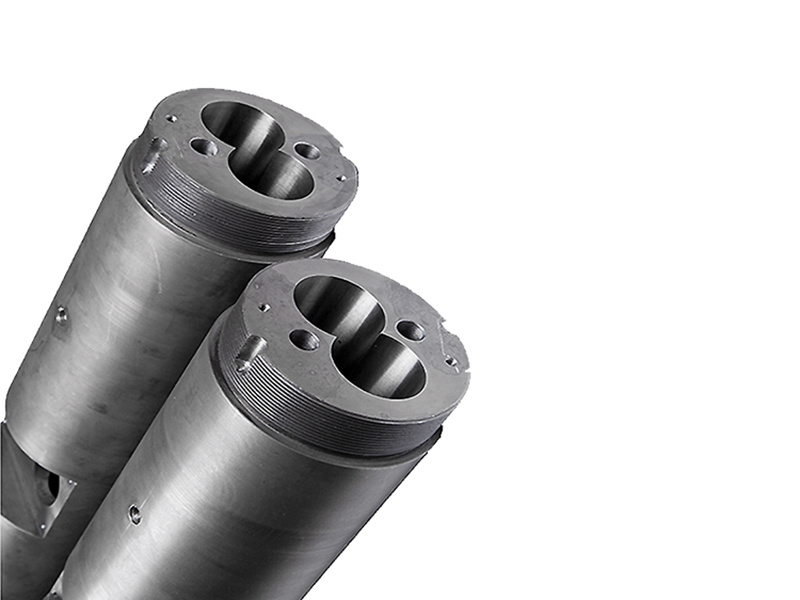
Plastic extruder is a common plastic machinery. In the process of daily operation of the extruder, there are various failures in the extrusion machine, which affects the normal production of plastic machinery. Below we analyze the failure of the extruder.
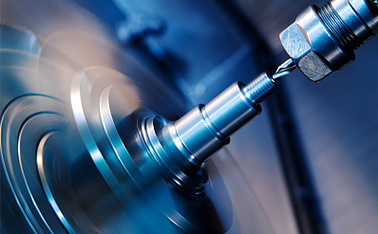
The main part of the pin screw is a conventional screw which can be placed in the groove of the melting section or the metering section of the screw or the smooth cylindrical surface without the groove at the end of the metering section. The pins are arranged in a certain arrangement, and the density can vary from one to another. The cylindrical pin is formed by fitting the pin into the hole of the screw; the square or diamond pin is formed by milling the pin directly on the screw.

24-18 Dafeng Road, Xihou Industrial Park, Jintang Town, Dinghai District, Zhoushan City, Zhejiang Province, China