
CO₂ screw processing of XPS boards delivers comprehensive upgrades in environmental protection, cost-effectiveness, and performance.
💚 Environmental and Economic Benefits
Eco-friendly: CO₂ blowing agents have zero ozone depletion potential (ODP=0) and an extremely low global warming potential, completely eliminating the environmental hazards associated with traditional CFC blowing agents. Products can easily obtain green building material certification.
Lower Costs: CO₂ is widely available and inexpensive; compared to CFCs, it can reduce blowing agent procurement costs by more than 30%.
Energy Savings and Reduced Consumption: A specialized screw design effectively recovers residual heat from the extrusion process, reducing overall energy consumption by 20% and minimizing raw material waste.
🚀 Enhanced Performance and Quality
Uniform Structure: A dedicated CO₂ extrusion screw system (such as a multi-stage mixing and cooling design) ensures thorough mixing of CO₂ with the melt, creating a finer, more uniform closed-cell structure that delivers superior product performance.
Superior Performance: The resulting panels feature a lower thermal conductivity (excellent thermal insulation), higher compressive strength (sturdy and durable), and extremely low water absorption (moisture resistance). Even with a 15% reduction in density for lightweighting, performance remains outstanding.
⚙️ Optimized Production Efficiency
Stable Operation: The CO₂ foaming process resolves the challenge of “inability to produce panels continuously” found in traditional processes. Combined with a two-stage injection system, it ensures smooth production line operation.
Increased Production Capacity: The production line achieves higher output (e.g., single-line capacity increased to 800 m³/day) while simplifying operations and reducing labor requirements by 50%.
💎 Comprehensive Benefits
Overall, this technology better aligns with current green and sustainable development requirements from raw materials to finished products. It not only helps enterprises meet increasingly stringent environmental regulations but also delivers economic benefits through cost savings and enhanced product competitiveness.
More news
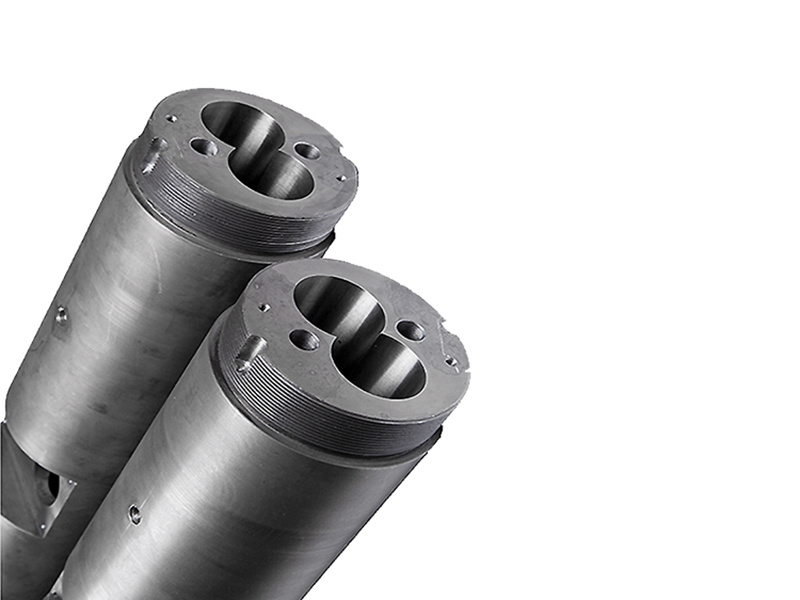
Plastic extruder is a common plastic machinery. In the process of daily operation of the extruder, there are various failures in the extrusion machine, which affects the normal production of plastic machinery. Below we analyze the failure of the extruder.
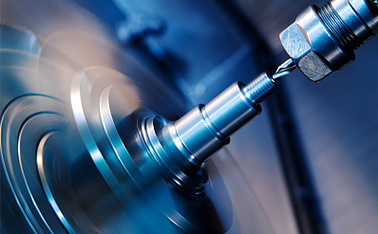
The main part of the pin screw is a conventional screw which can be placed in the groove of the melting section or the metering section of the screw or the smooth cylindrical surface without the groove at the end of the metering section. The pins are arranged in a certain arrangement, and the density can vary from one to another. The cylindrical pin is formed by fitting the pin into the hole of the screw; the square or diamond pin is formed by milling the pin directly on the screw.

24-18 Dafeng Road, Xihou Industrial Park, Jintang Town, Dinghai District, Zhoushan City, Zhejiang Province, China